Why is Proper Form and Technique Crucial in Weightlifting?

 5 Aug 2023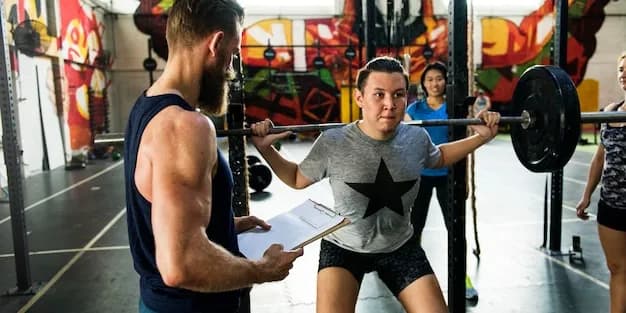

Weightlifting is a popular form of exercise that offers numerous benefits, including strength gains, muscle growth, and improved overall fitness. However, it is essential to recognize that proper form and technique play a pivotal role in weightlifting. In fact, mastering the correct form is crucial for ensuring both safety and effectiveness in your training. In this blog post, we will explore the importance of proper form and technique in weightlifting, highlighting the impact it has on your results and long-term well-being.
The Safety Aspect: Protecting Yourself from Injury
Maintaining Structural Integrity
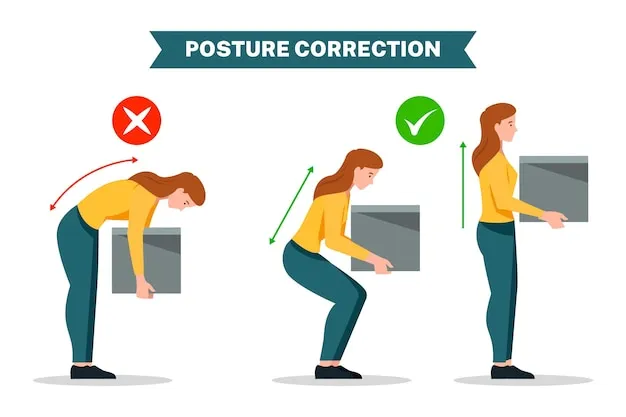
Proper form and technique help maintain structural integrity during weightlifting exercises. By performing exercises with correct posture, alignment, and joint positioning, you reduce the risk of acute injuries such as strains, sprains, and muscle tears. Additionally, it minimizes the likelihood of chronic overuse injuries that can develop over time.
Distributing Load Appropriately
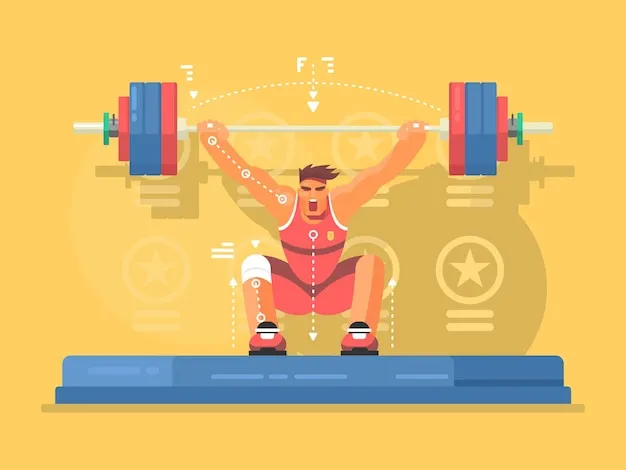
Executing exercises with proper form ensures that the load is distributed evenly across the target muscles and joints. This prevents unnecessary stress on surrounding structures, such as tendons, ligaments, and joints. By distributing the load effectively, you reduce the risk of joint wear and tear and alleviate strain on vulnerable areas.
Enhancing Effectiveness: Maximizing Muscle Engagement and Progress
Targeting the Intended Muscle Groups
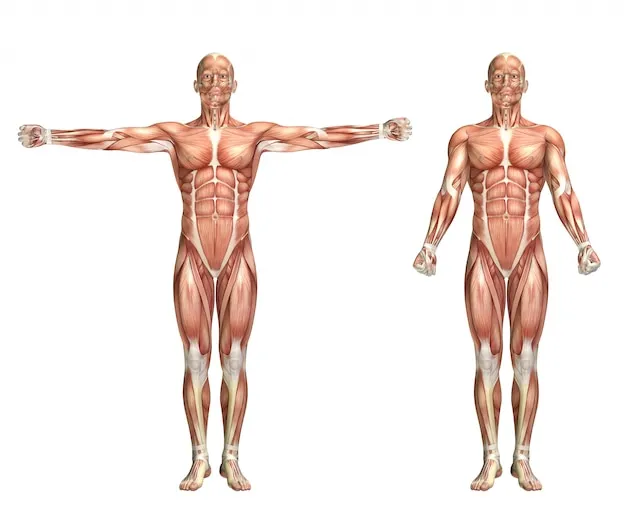
Performing exercises with proper form ensures that the intended muscle groups are effectively engaged. Correct positioning and movement patterns help isolate specific muscles and prevent compensation by other muscle groups. By targeting the intended muscles, you maximize the effectiveness of your workouts and promote balanced muscular development.
Generating Optimal Force and Power

Proper form and technique enable you to generate optimal force and power during weightlifting movements. By following correct biomechanics, you enhance muscle recruitment, allowing you to lift heavier weights and perform exercises with greater intensity. This ultimately leads to more significant strength gains and muscle growth over time.
Learning the Proper Form and Technique
Seek Knowledge and Guidance

If you're new to weightlifting, it is essential to seek knowledge and guidance from reputable sources. Consult with a qualified strength and conditioning coach or personal trainer who can teach you proper form, technique, and exercise progressions. They can provide valuable feedback and help you develop good lifting habits from the beginning.
Start with Lighter Weights

When learning new exercises or refining your form, begin with lighter weights. This allows you to focus on maintaining proper technique without compromising your safety. Gradually increase the load as your form improves and you feel confident in your ability to maintain correct posture and movement patterns.
Conclusion:
The importance of proper form and technique in weightlifting cannot be overstated. By prioritizing safety and effectiveness, you set yourself up for long-term success in your fitness journey. Proper form protects you from injuries, promotes balanced muscle development, and enhances your ability to generate force and power. Learning the correct form and technique is essential, whether through professional guidance, self-education, or a combination of both. So, why is proper form and technique crucial in weightlifting? It is the key to safe and effective training, allowing you to optimize your results while minimizing the risk of injuries. Embrace the significance of proper form and make it a priority in your weightlifting practice. By doing so, you'll elevate your performance, achieve your fitness goals, and ensure a sustainable and enjoyable weightlifting experience.
References:
Escamilla, R. F., et al. (2009). Journal of Strength and Conditioning Research, 23(9), S27-S36.
Escamilla, R. F., et al. (2012). Journal of Strength and Conditioning Research, 26(5), 1387-1402.
Schoenfeld, B. J., et al. (2018). Journal of Strength and Conditioning Research, 32(12), 3778-3784.
National Strength and Conditioning Association. (n.d.). Strength and Conditioning Journal.